
How to do a Turkish Get-Up
Learn how to perform the Turkish Get-Up with this step-by-step guide! This full-body exercise builds strength, stability, and mobility, perfect for all fitness levels. Follow these clear instructions to master the TGU safely and effectively.
8/2/20254 min read
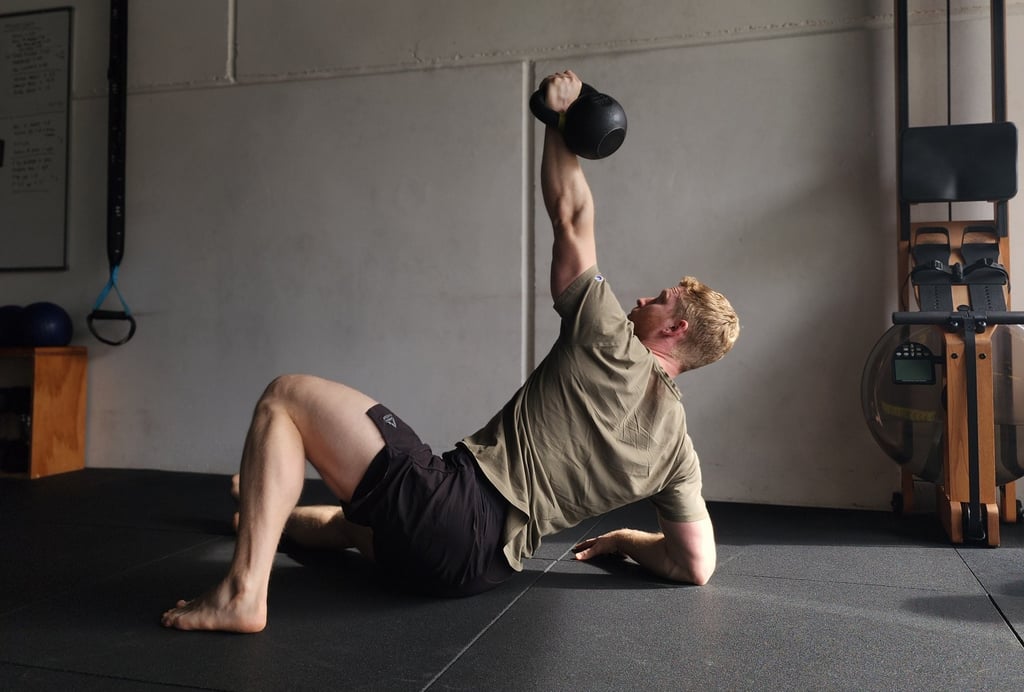
My post content
The Turkish Get-Up (TGU) is a full-body exercise that builds strength, stability, and mobility. Originating from ancient wrestling traditions, it’s a functional movement that challenges multiple muscle groups while improving coordination. Whether you’re a beginner or an experienced lifter, mastering the TGU can enhance your athletic performance and resilience. Below is a detailed, step-by-step guide to performing the Turkish Get-Up safely and effectively.
What You’ll Need
- A kettlebell, dumbbell, or body weight (for beginners)
- A flat, non-slip surface
- Comfortable workout attire
- Optional: A yoga mat for comfort
Step-by-Step Instructions
The TGU involves transitioning from lying on your back to standing upright while holding a weight overhead, then reversing the movement to return to the starting position. Perform it slowly and with control to maximize benefits and minimize injury risk. Here’s how to do it:
Step 1: Starting Position (Supine)
1. Lie on your back with your legs extended and arms resting by your sides.
2. If using a weight, hold a kettlebell or dumbbell in your right hand. Press it straight up toward the ceiling, keeping your arm locked and wrist straight. Your eyes should stay fixed on the weight throughout the movement.
3. Bend your right knee, placing your right foot flat on the ground, about hip-width from your body.
4. Extend your left arm at a 45-degree angle from your body, palm down, for stability.
Tip: Engage your core to keep your lower back pressed into the ground.
Step 2: Roll to Elbow
1. Initiate the movement by driving through your right foot and rolling onto your left side.
2. Prop yourself up onto your left elbow, keeping the weight stable overhead with your right arm.
3. Keep your eyes on the weight and your right shoulder packed (pulled down away from your ear).
Tip: Use your left arm and right leg to share the effort, avoiding twisting your torso.
Step 3: Post to Hand
1. From the elbow position, press through your left hand to lift your torso, straightening your left arm.
2. Your left palm should now be flat on the ground, directly under your shoulder, supporting your body.
3. Maintain a straight line from your left hand to the weight in your right hand.
Tip: Keep your core tight to prevent your hips from sagging.
Step 4: Bridge
1. Lift your hips off the ground by pressing through your right foot and left hand.
2. Form a bridge, with your body supported by your right foot, left hand, and left shoulder.
3. Keep the weight steady overhead and your eyes on it.
Tip: Squeeze your glutes to stabilize your hips during the bridge.
Step 5: Sweep the Leg
1. Slide your left leg under your body, bringing your left knee to the ground.
2. Position your left knee directly under your hips, forming a half-kneeling stance.
3. Your left shin should be parallel to your right foot, and your torso should remain upright.
Tip: Move slowly to maintain balance and avoid bumping your knee.
Step 6: Half-Kneeling Position
1. Rotate your left shin so your toes point slightly outward, aligning your left knee, hip, and shoulder.
2. Lift your left hand off the ground, bringing your torso fully upright into a half-kneeling position (right foot flat, left knee on the ground).
3. Continue to hold the weight overhead with your right arm locked.
Tip: Check your alignment—your hips and shoulders should be square.
Step 7: Stand Up
1. Press through your right foot to stand up, bringing your left foot forward to meet your right.
2. Finish in a standing position with feet hip-width apart, weight held overhead, and eyes still on the weight.
3. Pause briefly to ensure stability.
Tip: Keep your core engaged to avoid arching your back.
Step 8: Reverse the Movement
1. Step back with your left leg into a half-kneeling position, lowering your left knee to the ground.
2. Place your left hand on the ground for support, keeping the weight overhead.
3. Sweep your left leg back through to the bridge position, hips elevated.
4. Lower your hips to sit on the ground, supported by your left hand.
5. Transition to your left elbow, then slowly lie back down to the starting position.
6. Carefully lower the weight to your chest (if using one) before setting it down.
Tip: Move with the same control during the descent as you did on the ascent.
Key Tips for Success
- Start Light: Beginners should practice without weight or with a light object (like a shoe) to master the movement pattern.
- Focus on Form: Prioritize technique over speed or heavy weight to prevent injury.
- Keep Eyes on the Weight: This helps maintain shoulder stability and proper alignment.
- Breathe Naturally: Exhale during exertion (e.g., standing up) and inhale during less intense phases (e.g., lowering).
- Practice Both Sides: Perform equal reps on each side to ensure balanced strength and coordination.
Common Mistakes to Avoid
- Rushing the Movement: The TGU is a slow, deliberate exercise. Speed sacrifices control.
- Unlocking the Arm: Keep the arm holding the weight fully extended to protect your shoulder.
- Arching the Back: Engage your core to maintain a neutral spine, especially when standing.
- Poor Leg Positioning: Misplacing the leg during the sweep can disrupt balance—move it deliberately.
Benefits of the Turkish Get-Up
- Full-Body Strength: Engages the core, shoulders, hips, and legs.
- Improved Mobility: Enhances joint range of motion and flexibility.
- Better Stability: Strengthens stabilizing muscles, reducing injury risk.
- Functional Fitness: Mimics real-world movements like getting up from the ground.
- Coordination: Challenges balance and body awareness.
Safety Considerations
- Consult a doctor before starting if you have shoulder, wrist, or back issues.
- Work with a certified trainer to learn proper form, especially if new to the exercise.
- Avoid heavy weights until you’re confident in the movement pattern.
Conclusion
The Turkish Get-Up is a powerful exercise that rewards patience and precision. By following this step-by-step guide, you can build strength, improve mobility, and enhance your overall fitness. Start slow, focus on form, and gradually increase the challenge as you gain confidence. Incorporate the TGU into your routine, and you’ll reap the benefits of this time-tested movement for years to come.